
The Fire Is Out, but the Damage Isn't: A Homeowner's Guide to Recovering After a Wildfire
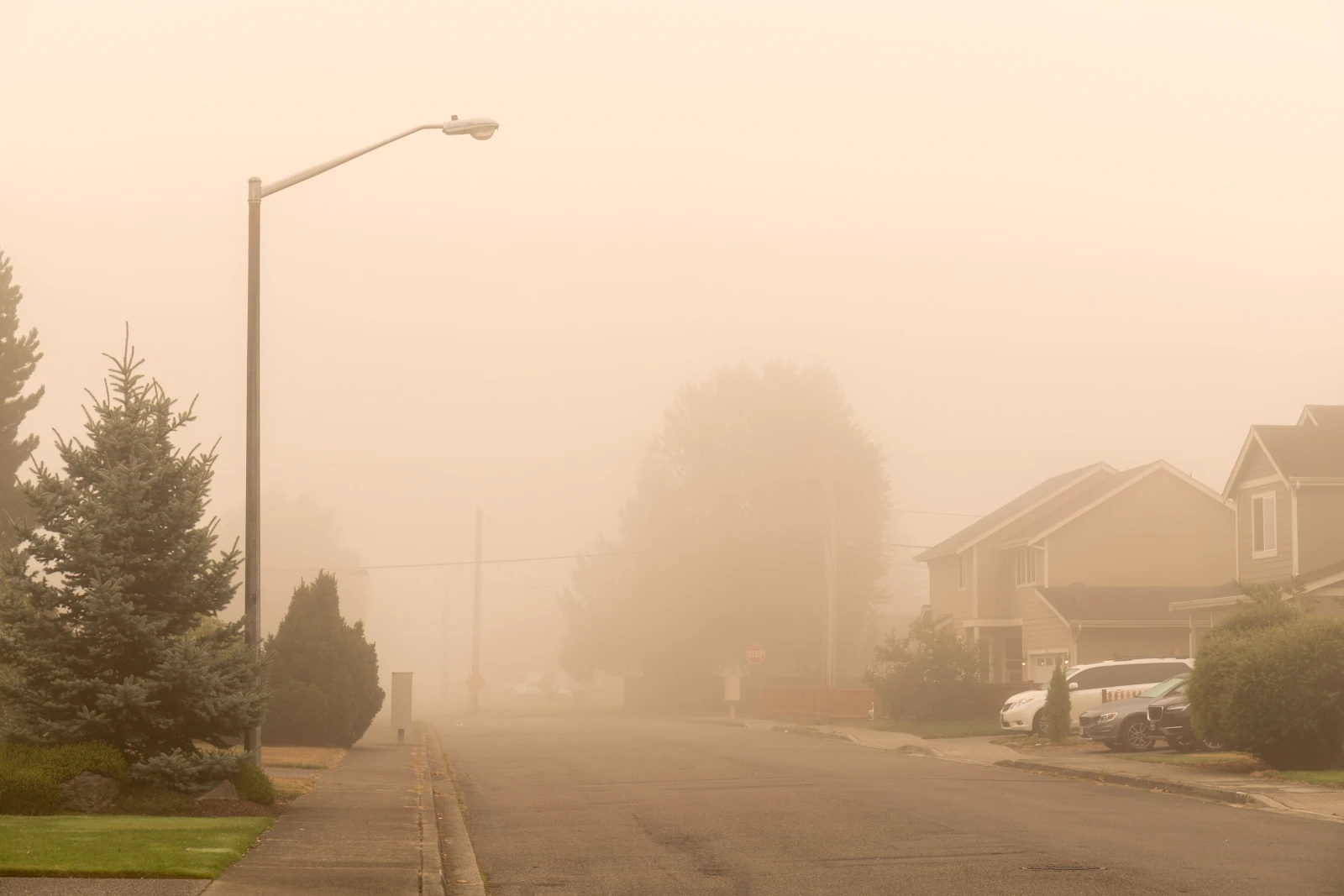
Recent wildfires across the Spokane region will leave many homeowners wondering what comes next. Whether your home has experienced direct fire damage, smoke and soot contamination, or water damage from firefighting efforts, the next steps aren’t always obvious. This guide will help you understand what to look for, what to avoid, and how Quick Dry Restoration can help you recover.
Coming Home After a Wildfire Can Be Harder Than You Expect
The day you return home is one that most people never forget.
Some homeowners arrive to find obvious fire damage. Others are relieved to see their home still standing–only to notice a lingering smoke odor, ash on the windows, or water left behind from firefighting efforts.
Until someone experienced walks through the property, it's difficult to know exactly what you're dealing with.
That’s why the first step of fire damage recovery isn’t deciding what needs to be repaired. It’s understanding what actually happened to your home.
Before You Start Cleaning, Slow Down
It's completely understandable to want to start cleaning the moment you get home. Most homeowners do.
But after a wildfire, rushing into cleanup can sometimes create more work than it solves.
Before you begin:
- Photograph any visible damage for insurance purposes.
- Avoid scrubbing soot from walls or ceilings, as it can smear into painted surfaces.
- Be cautious about running your HVAC system if smoke contamination is suspected.
- Don't assume furniture, clothing, or keepsakes are beyond saving. Many items can be professionally cleaned and restored.
- If your home was exposed to firefighting water, watch for damp drywall, flooring, or insulation that may require professional drying.
If you're unsure what you're looking at, it's okay to pause before making permanent decisions.
Wildfire Damage Is More Than Burned Materials
When most people hear "fire damage," they picture charred walls, burned roofs, or destroyed belongings. Those losses certainly happen, but wildfire damage is often much more complex.
Depending on how your property was affected, after fire cleanup may involve addressing several different types of damage at the same time.
Fire Damage
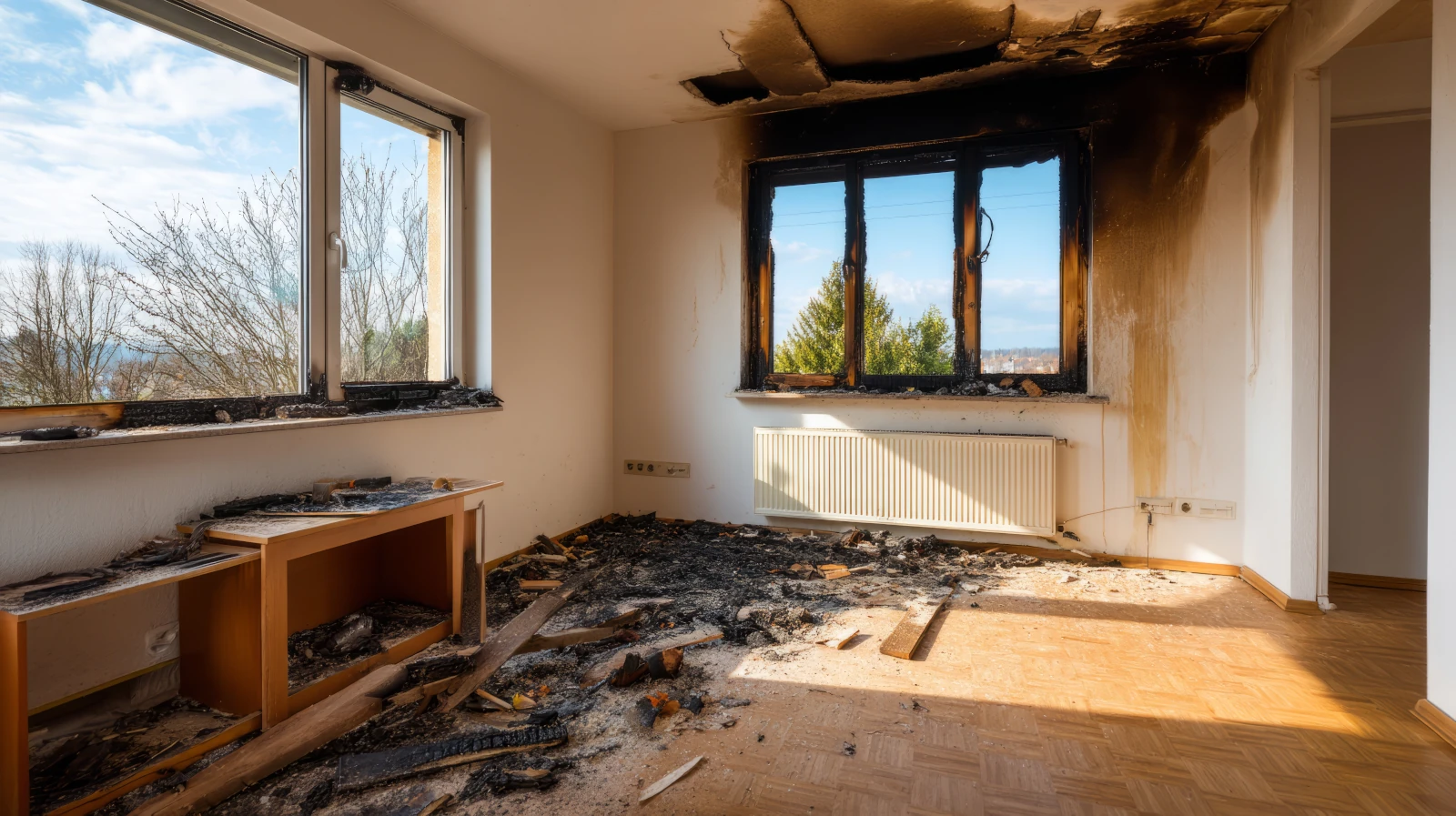
Direct fire damage can affect structural framing, roofing materials, insulation, windows, doors, and other building components. Before wildfire damage repair begins, it's important to determine whether the structure is safe and identify materials that can be restored versus those that need replacement.
Smoke and Soot Damage
Wildfire smoke can enter homes through vents, windows, and small openings, leaving behind soot, persistent odors, and microscopic particles that settle throughout the home. Even properties outside evacuation zones sometimes require professional smoke damage restoration.
Water Damage
Firefighters use thousands of gallons of water protecting homes and stopping wildfires from spreading.
That water can soak drywall, flooring, insulation, and structural materials. If moisture isn't removed quickly, it creates another problem entirely—mold growth and additional property damage.
Most wildfire restoration projects involve some combination of all three.
What We Look for During a Wildfire Damage Inspection
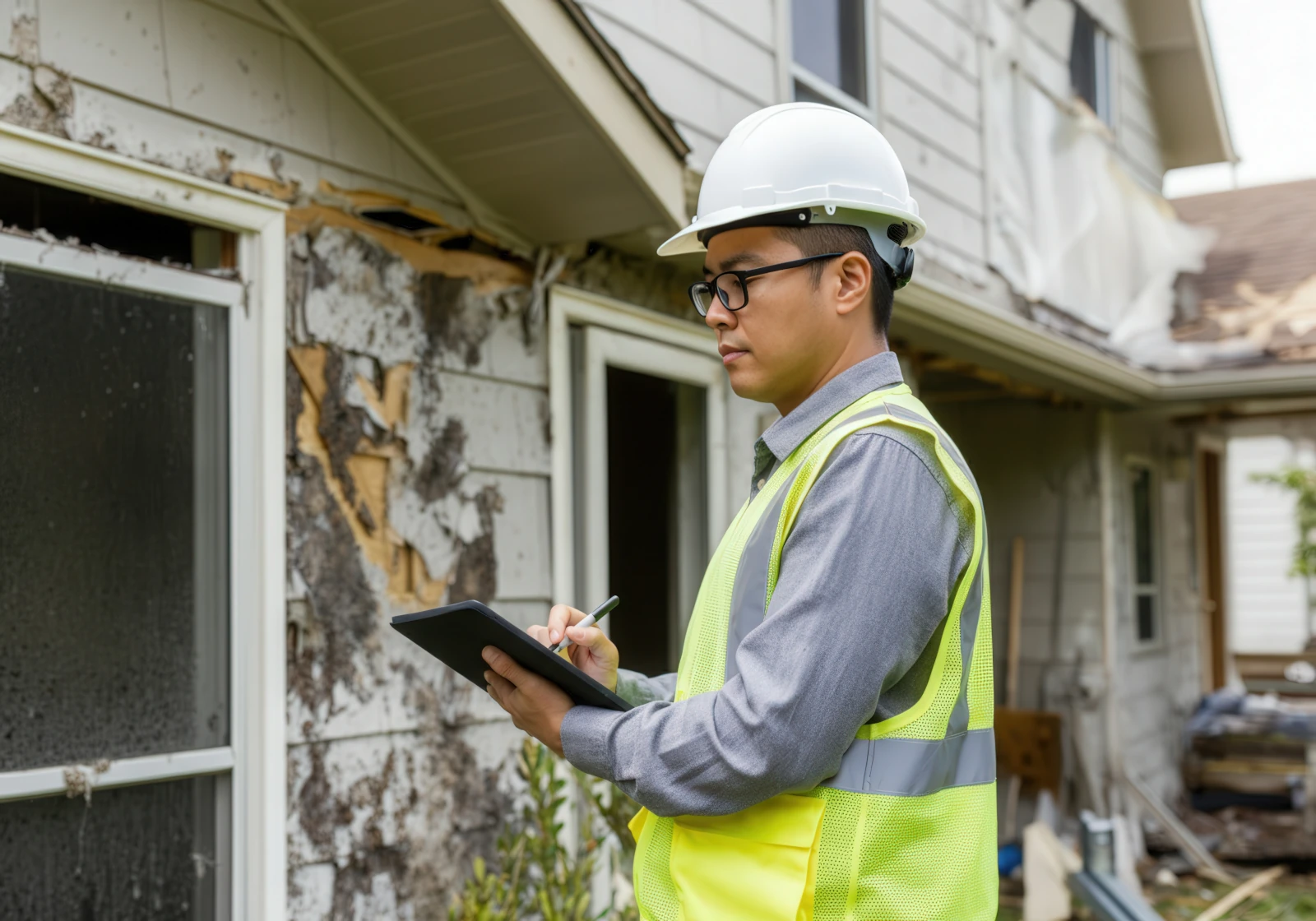
One of the biggest misconceptions about wildfire restoration is that cleanup starts immediately, but the inspection is often the most important part of the process.
A thorough inspection helps answer questions like:
- Has the fire affected the structural integrity of the home?
- How far did the smoke travel?
- Where has soot settled?
Then we begin looking for the things that aren't always obvious:
- Smoke residue inside HVAC systems
- Hidden moisture behind walls or beneath flooring
- Soot on ceilings, insulation, and hard-to-reach surfaces
- Materials that can be restored instead of replaced
- Areas where smoke has penetrated porous materials
Our goal isn't to find reasons to do more work. It’s to understand exactly what happened to your home so we can recommend the right solution—and nothing more.
How Quick Dry Helps Homeowners Recover After A Wildfire
No two wildfire restoration projects look exactly alike.
After thoroughly evaluating your property, we’ll develop a restoration plan based on the damage your home actually experienced. Depending on your home's needs, our services may include:
- Wildfire damage restoration - cleaning damaged structured materials, removing debris, securing the property, and preparing the home for repairs
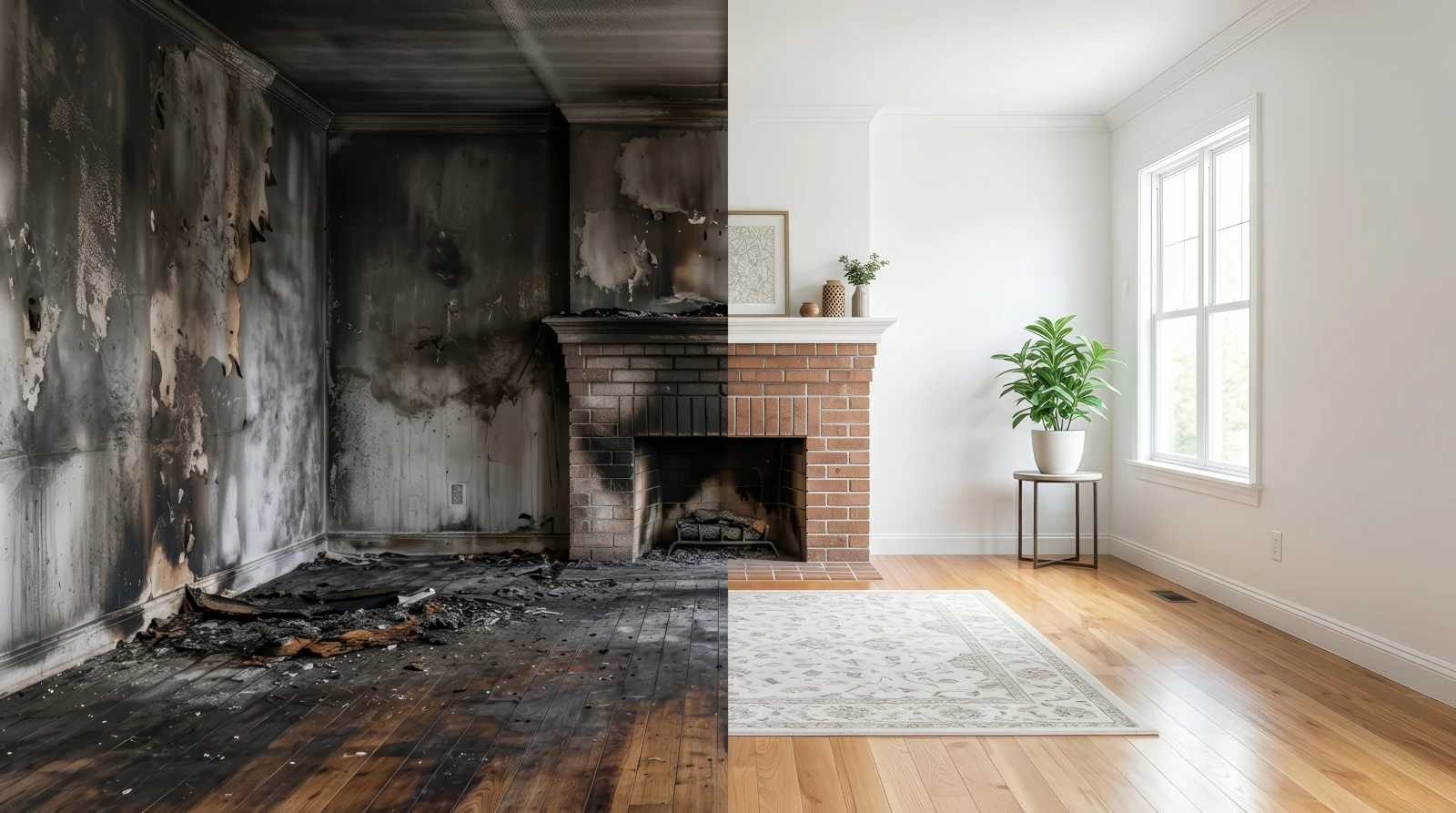
- Smoke damage restoration - removing soot, cleaning affected services, restoring indoor air quality, and eliminating persistent smoke odors.
- Water damage mitigation - extracting water, drying structural materials, monitoring moisture levels, and helping reduce the risk of mold growth after firefighting efforts.
- Contents cleaning - evaluating and restoring furniture, household items, and personal belongings whenever possible.
Every recommendation we make is based on the condition of your home—not a one-size-fits-all process.
Frequently Asked Questions About Wildfire Damage to Homes
My house didn't burn. Do I still need smoke damage restoration?
Possibly. Smoke can travel for miles and settle inside homes that were never directly threatened by flames. If your home smells like smoke or you notice soot or ash indoors, it's worth having the property inspected.
Can smoke odor really be removed?
In many cases, yes. Professional smoke odor removal focuses on eliminating the source of the odor rather than masking it with fragrances or household cleaners.
How long does smoke smell last?
Without proper cleaning, smoke odors can linger for weeks—or even months. Smoke particles trapped in insulation, carpeting, upholstery, or HVAC systems often continue releasing odors until they're professionally cleaned or restored.
Will my homeowners insurance cover wildfire damage?
Many insurance policies cover fire, smoke and water damage caused by wildfires, although coverage varies. We recommend reviewing your policy and speaking with your insurance company about your specific claim. If restoration is needed, Quick Dry can help document the damage as part of the claims process.
Helping Families Throughout Spokane Region
Quick Dry Restoration proudly serves homeowners throughout Spokane, Spokane Valley, Post Falls, Coeur d'Alene and nearby communities.
Whether you're dealing with heavy fire damage or simply wondering why your home still smells like smoke, we're here to help you understand what's happening and what comes next.
Our team will walk through your property with you, answer your questions honestly, explain what we're seeing, and recommend the next steps based on your home's unique situation.
Spokane County Emergency Resources
Spokane County Emergency Management
Customer Reviews
Quick Dry Restoration has become the leading provider of water damage restoration, fire damage restoration, mold remediation, and asbestos removal in the Boise, Coeur d’Alene, Mukilteo, SeaTac and Magic Valley areas. See what our customers have to say about us.
Convenient Financing Options
If damage to your property isn’t covered by insurance, our team will help you take advantage of flexible financing options to make restoration services as affordable as possible.